Water Color Human Heart Vector: A Versatile Graphic for Crafts and Creative Projects
As a professional graphic designer working across branding, packaging, social media graphics, and digital design assets, I’m always on the lookout for unique visual elements that can elevate a project. Recently, I came across the Water Color Human Heart Vector, and it immediately caught my attention—not just for its aesthetic appeal, but for its potential to serve multiple creative purposes in both print and digital formats.
A First Impression of Softness and Artistry
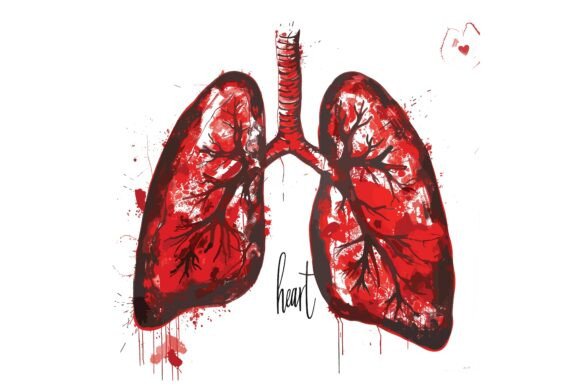
The first thing that struck me about this vector is the soft, organic feel of the watercolor style. Unlike rigid or overly stylized illustrations, the Water Color Human Heart Vector carries an artistic, almost handmade quality. The brush strokes are fluid, the color transitions are gentle, and the overall look feels authentic and expressive. This kind of mood naturally fits projects centered around wellness, health, love, or emotional storytelling—areas where subtle design language can have a big impact.
I also noticed the inclusion of human lungs and healthy lungs as part of the same visual set. While the heart is the focal point, these additional elements provide context and allow for thematic expansion. For instance, they could be used together in a campaign promoting holistic health, mental well-being, or even as part of a medical-themed educational project with a softer edge.
Where It Shines in Real Design Applications
This asset performs best in designs where the goal is to evoke emotion and warmth. Its watercolor texture makes it ideal for:
- Product mockups for handmade items like greeting cards, stickers, or wall art
- Editorial design such as magazine spreads or blog headers focused on health or lifestyle topics
- Brand identity work for boutique wellness brands, yoga studios, or holistic healing centers
- Hero graphics on websites or landing pages for campaigns related to love, compassion, or community
- Cricut projects and other craft-based ventures that benefit from a natural, artistic touch
- Print-on-demand products like mugs, tote bags, or t-shirts where visual uniqueness matters
In each of these scenarios, the Water Color Human Heart Vector brings a sense of authenticity and creativity. It works especially well when layered over textures or paired with muted backgrounds that let the brushwork breathe.
Visual Mood and Emotional Appeal
One of the strongest aspects of this design is its ability to create a warm, inviting mood. The watercolor effect adds depth and character without overwhelming the viewer. It’s perfect for clients who want to communicate care, empathy, or a personal connection through their visuals. Whether you're designing a charity poster, a wellness brand logo, or a printable gift tag, this vector helps build a narrative that resonates emotionally.
Its style aligns well with modern design trends favoring soft edges and handcrafted aesthetics. It’s not too literal, nor is it abstract; it strikes a balance that many designers find challenging to achieve in vector form.
Design Considerations for Professional Use
Before using any graphic design asset in a client project, it’s essential to test its versatility. Here's how I approached evaluating the Water Color Human Heart Vector for real-world application:
- Tested at small and large sizes: The vector holds up surprisingly well when scaled up, but in smaller dimensions, some of the finer details can get lost. This means it should be used more as a decorative element rather than a primary icon.
- Checked contrast on light and dark backgrounds: On lighter tones, the heart looks vibrant and clean. However, on darker or complex backgrounds, it may require additional layering or outlining to maintain visibility.
- Reviewed file formats: The SVG format allows for full editability, which is a huge plus for customizing colors or integrating into larger compositions. If PNG files are included, inspecting the transparency ensures no unwanted artifacts appear when placed over textured or patterned surfaces.
- Compared with font styles: I tested it alongside serif, sans-serif, script, handwritten, and display fonts. The heart vector pairs beautifully with cursive or handwritten typefaces, enhancing the organic feel of the composition. With more formal fonts, it still works but needs careful balancing to avoid clashing with the text hierarchy.
- Confirmed commercial licensing: As with all design assets, ensuring proper usage rights is critical. The fact that the creator has emphasized originality and no copy elements gives peace of mind, especially when considering use in branded materials or sales-focused assets like digital ads or Etsy listings.
Use Cases That Work Best
Here are some specific areas where the Water Color Human Heart Vector truly shines:
- Themed collections: When creating a set of Valentine's Day graphics or Mother’s Day stickers, this heart becomes a central motif that ties everything together.
- Printable wall art: The watercolor texture lends itself well to canvas prints or framed digital art pieces, adding a painterly feel that paper stock enhances beautifully.
- Social media graphics: Used as a background accent or hero image, it supports content that aims to feel personal and genuine—perfect for Instagram posts or Pinterest pins targeting lifestyle audiences.
- Crafts and Canva templates: For Cricut users or those building templates in Canva, the heart offers a fresh alternative to generic clipart. Its unique shape and softness make it adaptable to scrapbooking, invitations, or greeting cards.
- Marketing visuals for handmade businesses: From product labels to promotional flyers, this vector reinforces the artisanal and heartfelt nature of the business it represents.
When to Approach with Caution
While the Water Color Human Heart Vector is visually appealing, there are certain contexts where it might not perform optimally:
- Minimalist branding: In logos or brand identities that prioritize simplicity and clarity, the watercolor texture can introduce unnecessary complexity.
- Professional corporate materials: The asset leans toward a casual, artistic style, which may not suit formal reports, legal documents, or boardroom presentations.
- Crowded layouts: Placing it among too many other elements can reduce its visual impact and muddy the overall design. It’s better suited for spacious compositions where it can stand out.
- Low-contrast environments: Because of its soft edges and pastel-like appearance, it may struggle to gain attention on busy or monochrome palettes unless enhanced with outlines or overlays.
For these reasons, it’s important to consider the target audience and project tone before incorporating it. This vector excels in niche markets—such as wellness brands or indie shops—but may need adaptation for broader or more traditional applications.
Impact on Readability and Brand Consistency
Readability isn’t a concern if the heart is used as a supporting element rather than a main icon. However, when combined with text, especially in tight spaces, it can affect legibility. To mitigate this, ensure there’s enough whitespace between the vector and typography, or use it as a border or corner accent instead of overlaying directly onto text.
In terms of brand consistency, the heart’s artistic style can either enhance or disrupt depending on the rest of the visual system. If your client’s brand already features similar textures or organic shapes, this vector will fit seamlessly. But if the brand relies on geometric precision or high-tech imagery, it may not align well.
Practical Tips for Integration
Here are some actionable tips I’ve gathered after testing the Water Color Human Heart Vector in various design workflows:
- Test in black and white: The watercolor shading adds nuance, but converting it to grayscale can reveal whether the design maintains its integrity and readability in monochrome settings.
- Place it on real mockups: Try it on product mockups like mugs, phone cases, or clothing to see how it translates physically. Sometimes what looks great digitally doesn't render well in print or fabric.
- Check print quality: Especially if using it for merchandise, ensure that the vector remains crisp and clear at different resolutions. The watercolor effect shouldn’t bleed or pixelate under pressure.
- Review commercial license: Even though the description states “no copy elements,” double-check the licensing agreement to confirm it allows for resale, redistribution, or commercial reproduction if needed for your client’s use case.
- Pair with complementary vectors: Since it includes human lungs and healthy lungs, think of it as part of a design bundle. These elements can be grouped into educational infographics or used in sets for a cohesive visual theme.
Why It’s Worth Adding to Your Toolkit
Despite its limitations, the Water Color Human Heart Vector is a valuable addition to any designer’s library. It’s not just another clipart—it’s a unique illustration that can support storytelling, add warmth to otherwise sterile layouts, and differentiate a brand in the crowded creative marketplace.
For small business owners or digital sellers, this vector can become the signature piece of a collection, helping establish a consistent and memorable visual identity. For content creators and bloggers, it provides an elegant way to illustrate posts about health, self-care, or emotional intelligence.
What sets it apart is its flexibility. It can be edited in vector software like Adobe Illustrator or used as a standalone PNG in platforms like Canva. And for those interested in sublimation design or sticker creation, the transparent background option (if available) ensures it integrates cleanly with any substrate or surface.
Final Thoughts for Designers and Creators
After working with the Water Color Human Heart Vector in several mock-up scenarios—from a local wellness studio’s packaging to an online course banner—I found it to be a reliable and expressive design asset. It doesn’t demand attention, but it commands respect when used thoughtfully.
If you’re looking to add a touch of humanity to your next project, especially one rooted in health, love, or creativity, this vector could be the missing piece. Just remember to evaluate its placement carefully, test it in key environments, and confirm its licensing to avoid any roadblocks down the line.
In the end, the right graphic design asset isn’t just about beauty—it’s about purpose and performance. And the Water Color Human Heart Vector delivers both when used in the right context.