Cute Elephant Employee with Salary Graphics and Illustrations Review
As a graphic designer who spends most of my day balancing client expectations with aesthetic integrity, I approach every new asset with a healthy dose of skepticism. We are often bombarded with generic clipart that feels stale or overly complex to integrate into modern workflows. However, when evaluating a Cute Elephant Employee with Salary for potential use in real-world projects, the first thing I look for is not just cuteness, but utility. Does this illustration hold up under scrutiny? Can it elevate a brand identity without looking like a child’s drawing? After testing this specific design across various mockups and layout scenarios, here is my professional breakdown of how this asset fits into the broader landscape of commercial design.
The First Impression: Mood and Style Analysis
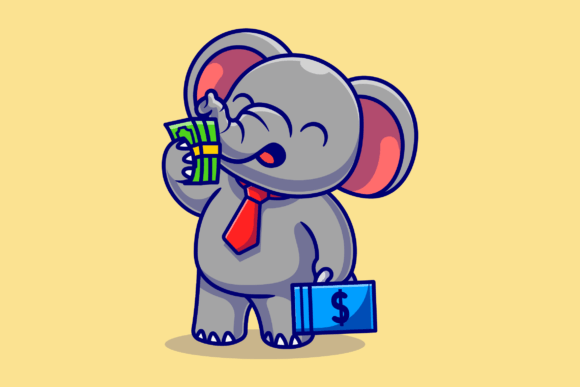
The moment you load the file, the visual language is clear. This is not a hyper-realistic depiction, nor is it a stark, minimalist line art piece. It sits comfortably in the flat cartoon style, which has become a staple in contemporary branding for startups, lifestyle brands, and digital products. The character itself—a cute elephant employee handling salary or financial documents—immediately establishes a narrative. It suggests themes of fiscal responsibility, employment, savings, or perhaps the humorous side of office life.
The color palette appears balanced, likely utilizing soft earth tones or vibrant pastels typical of premium vector illustrations. This mood is inviting and approachable, making it an excellent choice for businesses that want to appear friendly rather than intimidating. For a small business owner launching a budgeting app or a handmade brand creating tax-season merchandise, this asset provides an instant emotional hook. It transforms abstract concepts like "payroll" or "income" into something tangible and relatable. The isolation of the vector ensures that the focus remains entirely on the character, allowing it to serve as a hero element in your composition.
Real-World Application in Client Projects
In my experience, versatility is the true test of a design asset. A Cute Elephant Employee with Salary might seem niche at first glance, but its applications are surprisingly broad. Let’s look at how this performs in actual client deliverables.
- Brand Identity and Logo Design: While a full logo requires more refinement, this illustration can serve as a mascot or a secondary brand mark. For a boutique accounting firm targeting millennials or a financial literacy blog, this character adds personality without sacrificing professionalism. It humanizes the data.
- Packaging Design and Product Labels: Imagine a box of artisanal chocolates or a set of greeting cards themed around work anniversaries. Placing this vector on packaging creates a delightful unboxing experience. It works particularly well for print-on-demand products where whimsy sells.
- Social Media Graphics and Digital Ads: In the crowded feed of Instagram or Pinterest, static images need to stop the scroll. This illustration offers high visual interest. It is perfect for creating infographics about saving money, employee benefits, or seasonal tax tips. Its flat style scales beautifully, ensuring clarity whether viewed on a mobile device or a large desktop monitor.
- Etsy Products and Printables: For sellers on creative marketplaces, this asset is gold. It can be integrated into Canva templates for budget planners, used in Cricut projects for vinyl decals, or printed as wall art for home offices. The vector nature means it can be resized infinitely without losing quality, a crucial factor for digital downloads.
Strategic Placement and Layout Considerations
Not every placement is created equal. To get the most out of this Illustrations asset, you must understand where it shines and where it struggles. This knowledge separates amateur usage from professional execution.
Where It Works Best:
This asset thrives in large layout areas where it can breathe. Use it as a hero graphic on a landing page or as a central focal point on a flyer. It is also ideal for decorative accents in editorial design, such as breaking up text in a blog post about workplace culture. When used in marketing visuals for campaigns related to National Tax Day or Earth Day (elephants being eco-conscious symbols), it reinforces the message through visual metaphor. Additionally, it performs exceptionally well in sticker design collections, where the isolated background allows for clean die-cutting.
Where to Exercise Caution:
Conversely, there are environments where this asset may fail. Avoid using it in very small sizes, such as favicon icons or tiny social media avatars, unless you simplify the details. In crowded layouts with heavy typography, the intricate lines of the elephant and the salary document can create visual noise, disrupting the visual hierarchy. Be wary of using this on low-contrast backgrounds; if the colors clash, the illustration will lose its impact. Furthermore, while it is charming, it may not align with strict corporate branding that demands minimalism or serious gravitas. If a client requires a sleek, tech-forward aesthetic, this playful character might undermine their authority.
Technical Checks and Designer Notes
Before delivering any project to a client, a professional designer conducts a rigorous technical audit. Here is what you must verify when integrating this Graphics asset into your workflow.
First, always test the asset in black and white. This helps you assess the strength of the shapes and forms independent of color. If the illustration loses its definition when desaturated, the underlying design may be too reliant on hue. Next, check contrast on both light and dark backgrounds. Ensure the vector elements remain legible and distinct. Preview the asset at various sizes—from massive billboards down to 16x16 pixels—to identify any pixelation or blurring issues.
If you are using this for sublimation design or physical printing, inspect the print quality closely. Look for banding in gradients or jagged edges. Verify the file formats provided. An SVG or EPS file is essential for scalability and editing, allowing you to tweak colors to match a client’s exact brand guidelines. If a PNG is included, confirm the transparency of the background. A false transparent background can ruin a design instantly.
Typography pairing is another critical step. This illustration pairs well with rounded sans serif fonts for a friendly vibe, or bold display fonts for headlines. It can also complement handwritten fonts if you are aiming for a personal, boutique feel. However, avoid pairing it with overly ornate script fonts that compete for attention. Finally, and most importantly, confirm the commercial license. Ensure you have the right to use this asset for client work, especially if you are producing digital products or merchandise for resale.
Final Verdict on Creative Utility
The Cute Elephant Employee with Salary is more than just a pretty picture; it is a functional tool for storytellers in the design space. It bridges the gap between finance and fun, offering a unique angle for brands that want to stand out. By understanding its strengths in flat cartoon aesthetics and its limitations in minimalist contexts, designers can deploy this asset strategically. Whether you are crafting a brand identity for a startup, designing social media graphics for engagement, or creating printable designs for online shops, this illustration adds a layer of warmth and approachability. With proper technical vetting and thoughtful placement, it becomes a valuable addition to any designer’s toolkit, proving that even the most specific concepts can have broad creative applications.